
Accelerometer
Accelerometer options
In the last few years we have added the option to our tags to capture 3-axis accelerometer data. Initially available on our logger tags only, due to the data volume generated by these devices, we have now added this capability to our wireless download UHF and GSM tags also. Accelerometers can also be combined with depth, temperature and barometric pressure to provide truly multi-sensor data capture.
Our logger tags can provide GPS centred burst or continuous 3-axis accelerometer data capture at rates of 1Hz, 12.5Hz, 25Hz or 50Hz. They can also provide VeDBA data as described below. Our UHF download tags can provide GPS centred burst 3-axis accelerometer data capture as well as VeDBA data capture.
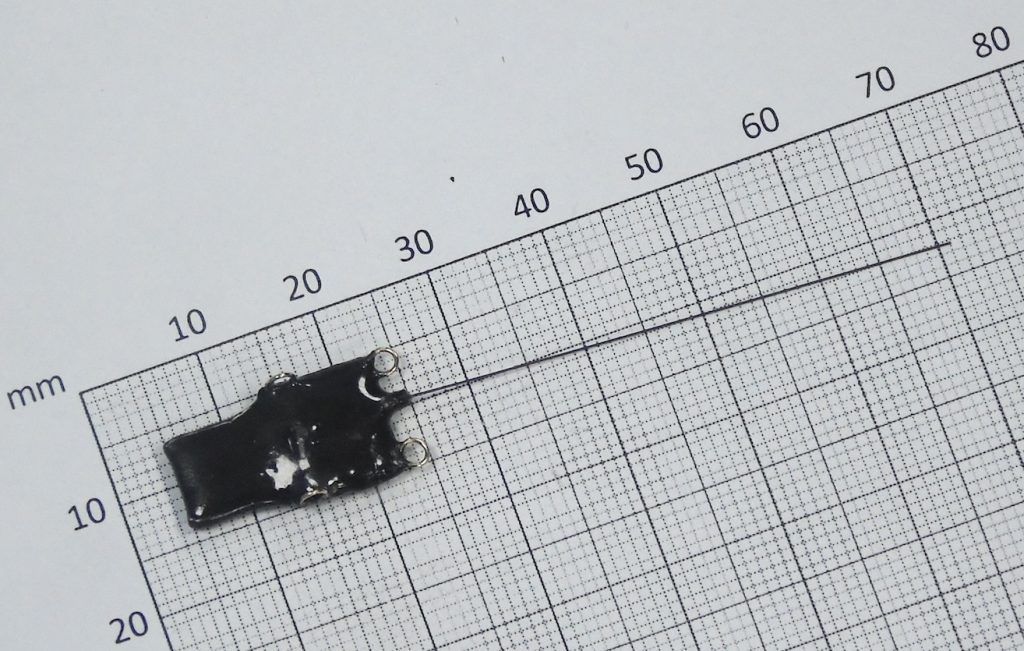
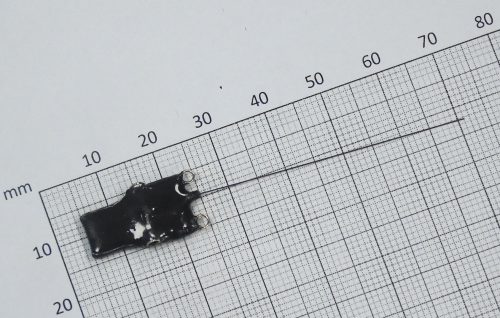
Our lightest weight tag with accelerometry data is our 0.75g picoFix® mini GPS logger. This tag has been deployed on a variety of species including Leisler’s bats, nightingales and skylarks. It measures 18x11x3mm plus ~50mm external whip antenna. It has a battery capacity of 320 GPS location attempts depending on species. Burst or continuous accelerometer data capture is available at rates of 1Hz, 12.5Hz, 25Hz or 50Hz. VeDBA data can also be obtained with this tag.
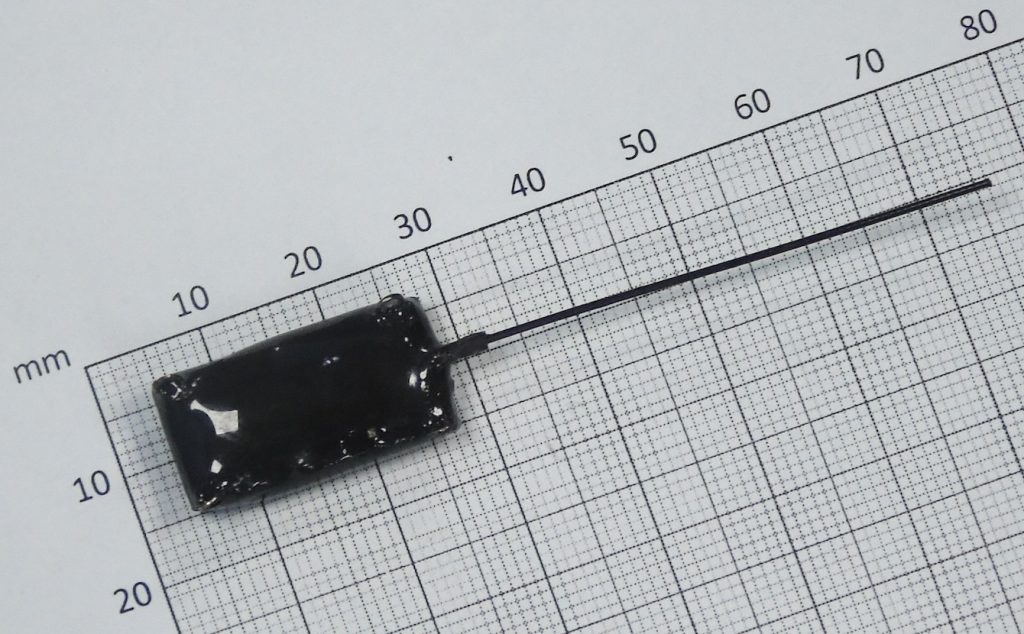
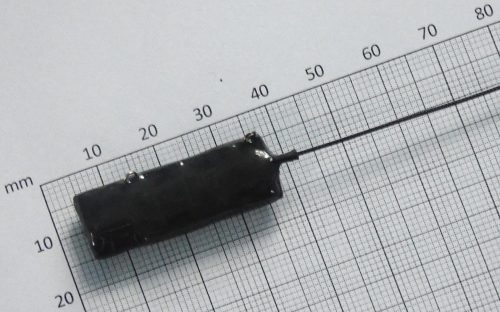
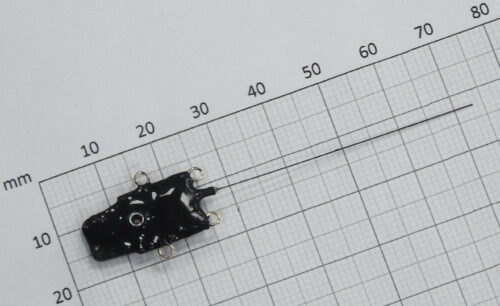
Our standard logger tags, starting at 1.65g, incorporate increased memory capacity making them suitable for projects requiring very large volumes of accelerometer data capture. As an example these tags could capture continuous 3-axis accelerometer data at a rate of 12.5Hz for 2 months or 25Hz for 1 month. Our 2.3g picoFix® GPS logger shown here, which has been successfully deployed on a variety of species including ancient murrelets, common terns and manx shearwaters, is one of a number of tags that would be suitable for such high volume data capture.
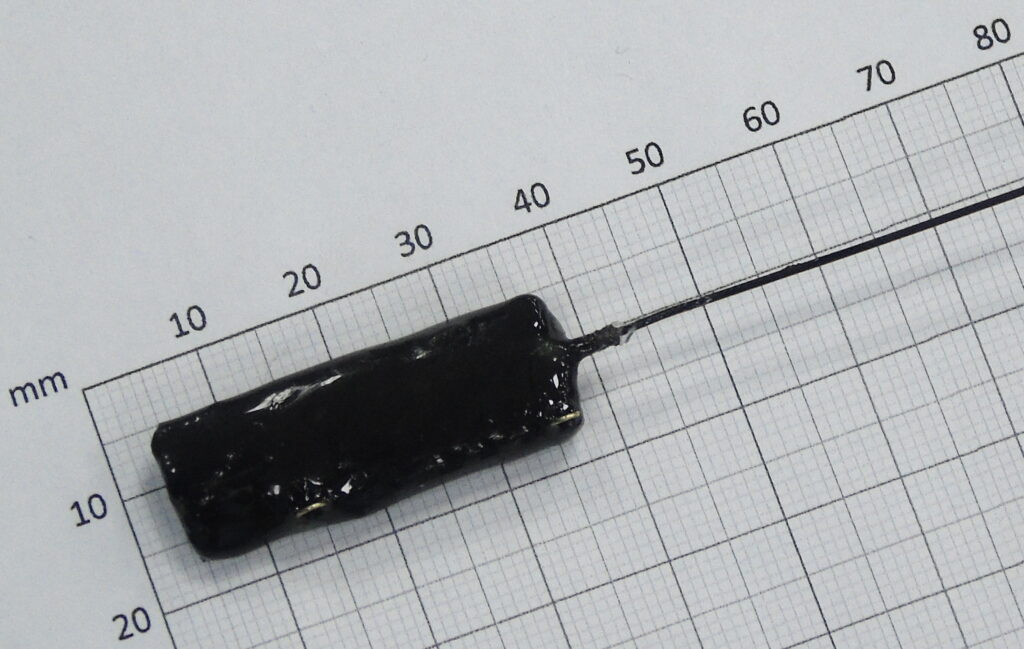
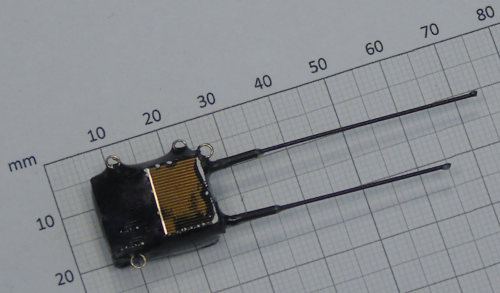
Our lightest weight remote download tag with accelerometry data is our 2.0g picoFix® GPS with UHF download. This tag has been deployed on a variety of species including baillon’s crakes, common terns, crakes, least terns, and pygmy owls. It measures 34x12x6mm plus ~50mm external whip antenna. It has a battery capacity of 700 GPS location attempts depending on species. Burst or VeDBA accelerometer data can be captured by this tag and wirelessly transmitted to the basestation alongside its GPS data.
VeDBA
Vectorial Dynamic Body Acceleration (VeDBA) is a well established metric used as a proxy to indicate an animal’s activity level/energy usage. It works by attempting to remove static acceleration due to gravity from acceleration data. The remaining dynamic acceleration is then due to the animal’s movements and behaviour.
Our VeDBA enabled tags sample high rate 3-axis accelerometer data to ensure that high frequency behaviours of the animal are adequately captured. Our onboard VeDBA processing then efficiently condenses this rich data to a much lower rate metric that can be used as a proxy for physical activity and energy expenditure. As VeDBA processing vastly reduces the volume of data that must be transmitted it is the recommended accelerometer configuration to be used with our wireless download UHF and GSM tags.
Configuration Options
There are a number of parameters that can be set when programing our tags to achieve the optimal VeDBA configuration for a given species or project. The raw sampling rate used by the tag can be set to 12.5, 25 or 50Hz to allow a range of behaviour types to be captured. Tags should always be set to use the lowest sampling rate that will capture the behaviours of interest, as this reduces the volume of VeDBA data that is generated and also the power consumed by the tag. Accelerometer time windowing can also be used with our VeDBA option to reduce the volume of data that is generated each day.
Technology
Our Products
We have a wide variety of devices available, all of which have unique capabilities and characteristics. Please click on the variants below for detailed technical specifications.